SECTION

Health & Mind

The science of the body, brain, and the pursuit of human flourishing

17 articles
FEATURED
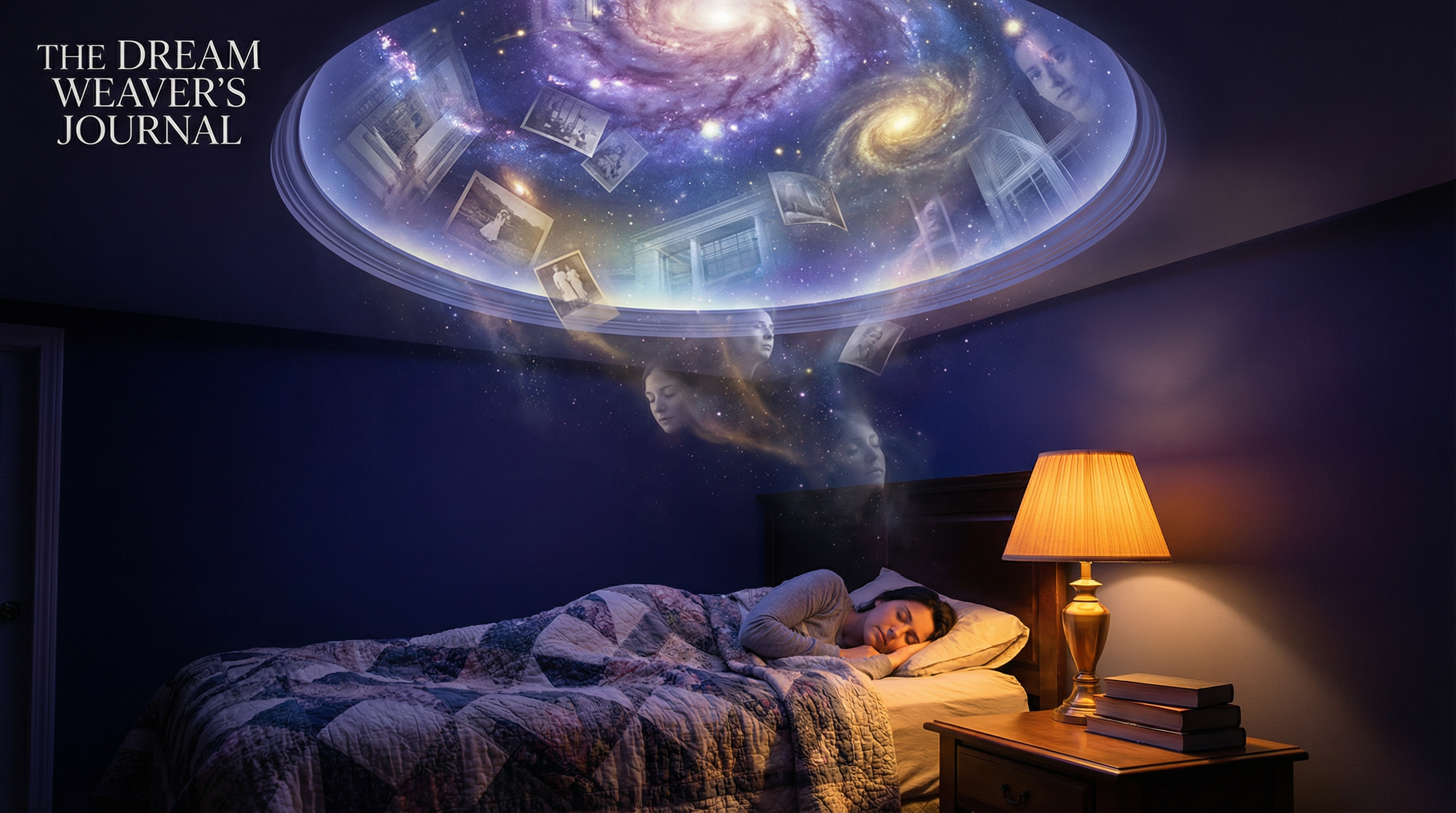
Why Do We Dream?
Health & Mind

Why Do We Dream?

The Science Behind the Nightly Theater of the Sleeping Mind

Every night, as your body lies still, your brain stages an elaborate private cinema — conjuring faces, landscapes, and emotions from nothing. After a century of research, scientists are finally beginning to decode what dreams are actually for, and the answers are stranger and more profound than anyone expected.

Sophia Liang·March 22, 2026·15 min read
ALL ARTICLESPage 1 of 2
Showing 112 of 16
The Gut-Brain Axis
Health & Mind

The Gut-Brain Axis

The trillions of microorganisms living in your digestive system do far more than help you digest food. Emerging research reveals that the gut microbiome communicates directly with the brain, influencing mood, cognition, and the risk of psychiatric disorders.

Priya Nair·15 min read
Sleep's Hidden Architecture
Health & Mind

Sleep's Hidden Architecture

Sleep is not a passive state of unconsciousness but an active, highly organized process essential for memory consolidation, emotional regulation, metabolic health, and the clearance of neurotoxic waste. Understanding sleep's architecture reveals why its disruption has such profound consequences.

Fatima Al-Hassan·10 min read
The Gut-Brain Highway
Health & Mind

The Gut-Brain Highway

The gut microbiome — the community of trillions of bacteria, viruses, and fungi that live in your digestive tract — communicates directly with your brain through the vagus nerve, immune system, and hormonal pathways. Research is revealing that this gut-brain axis plays a profound role in mental health, with implications for the treatment of depression, anxiety, and autism.

Mei Lin·10 min read
The War on Aging
Health & Mind

The War on Aging

For most of human history, aging has been considered inevitable. Now, a growing number of scientists believe that aging is a biological process that can be slowed, halted, or even reversed. The science of longevity is advancing rapidly, with implications that could transform medicine and society.

Sarah Chen·7 min read
The Sleep Debt Crisis
Health & Mind

The Sleep Debt Crisis

The CDC estimates that one in three American adults does not get enough sleep. Chronic sleep deprivation is linked to obesity, diabetes, cardiovascular disease, depression, and cognitive decline. Yet modern society treats sleep as a luxury rather than a biological necessity, with consequences that are becoming increasingly clear.

Nadia Patel·10 min read
Teaching the Body to Fight Cancer
Health & Mind

Teaching the Body to Fight Cancer

Immunotherapy — treatments that harness the body's own immune system to fight cancer — has transformed oncology over the past decade. Patients with cancers that were previously untreatable are achieving long-term remissions. But immunotherapy works for only a minority of patients, and understanding why is one of the most important questions in cancer research.

Robert Chang·8 min read
The Ultra-Processed Food Crisis
Health & Mind

The Ultra-Processed Food Crisis

Ultra-processed foods — industrial formulations containing ingredients rarely used in home cooking — now account for more than 60% of calories consumed in the United States. Research is accumulating that these foods are associated with obesity, diabetes, cardiovascular disease, depression, and even cancer. But the mechanisms are still being debated.

Laura Martinez·10 min read
The Psychedelic Renaissance
Health & Mind

The Psychedelic Renaissance

Psilocybin, MDMA, and ketamine are showing remarkable efficacy in clinical trials for treatment-resistant depression, PTSD, and addiction. After decades of prohibition that halted research, a new generation of scientists is rediscovering the therapeutic potential of psychedelic drugs — and challenging our understanding of consciousness and mental illness.

Julia Hoffman·8 min read
The Exercise Prescription
Health & Mind

The Exercise Prescription

Exercise is the most effective intervention we have for preventing cognitive decline, reducing the risk of Alzheimer's disease, treating depression, and improving mental performance. The neuroscience of exercise is revealing why — and challenging the assumption that the brain is separate from the body.

Marcus Johnson·8 min read
Your Genome, Your Medicine
Health & Mind

Your Genome, Your Medicine

The sequencing of the human genome in 2003 promised a revolution in personalized medicine. Twenty years later, that revolution is finally arriving — in cancer treatment, pharmacogenomics, and the prevention of hereditary diseases. But the benefits are unevenly distributed, and the ethical challenges are profound.

Aisha Williams·7 min read
The Pain Paradox
Health & Mind

The Pain Paradox

Chronic pain affects more than 50 million Americans and costs the economy more than $600 billion per year. Despite decades of research, it remains poorly understood and inadequately treated. New insights into the neuroscience of pain are challenging the traditional model and opening new avenues for treatment.

Elena Vasquez·8 min read
The Mental Health Crisis
Health & Mind

The Mental Health Crisis

Mental illness affects one in five adults in the United States, yet fewer than half receive treatment. The treatment gap is driven by a shortage of mental health professionals, high costs, stigma, and a healthcare system that has historically undervalued mental health. New approaches — including digital mental health tools and integrated care models — are beginning to address the gap.

Thomas Insel·10 min read