kupn.org
ScienceTechnologySocietyHealthPhilosophyEconomyArts
Do We Have Free Will?
Philosophy & Ideas

Do We Have Free Will?

What Neuroscience and Philosophy Tell Us About the Nature of Human Agency

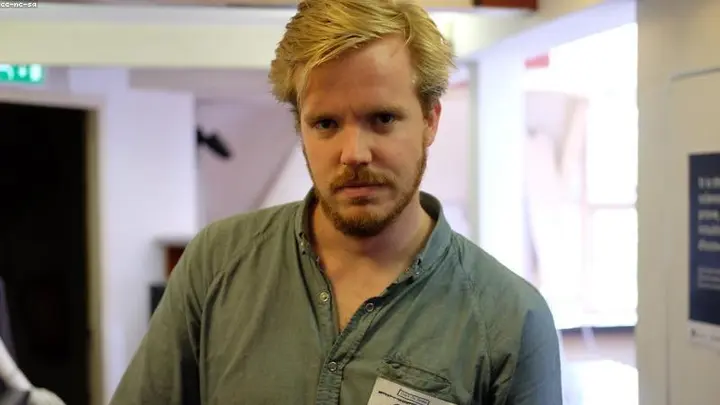
Daniel Dennett

Philosopher and cognitive scientist at Tufts University, specializing in the philosophy of mind, free will, and evolution. He is the author of "Freedom Evolves" and "Consciousness Explained."

March 16, 2026·10 min read

Do We Have Free Will?

The question of free will — whether we are the authors of our actions or merely the products of prior causes — has been debated by philosophers for millennia. Now neuroscience is entering the debate, with experiments that seem to show that our decisions are made before we are conscious of them. What does this mean for moral responsibility?

TOPICS
free willphilosophyneurosciencedeterminismconsciousness
FURTHER READING
Stanford SEP: Compatibilism
Stanford SEP
Nature Neuroscience: Decision Making
Nature
Internet Encyclopedia of Philosophy: Determinism
IEP
Philosophy & Ideas

Fundamental questions about existence, knowledge, ethics, and meaning

Explore more →
RELATED ARTICLES
Health & Mind

Why Do We Dream?

March 22, 2026
Health & Mind

The Gut-Brain Axis

March 10, 2026
Philosophy & Ideas

The Hard Problem of Consciousness

March 8, 2026
NEWSLETTER

Never miss an insight

Get the week's most important stories delivered to your inbox.

Continue Reading

More from Philosophy & Ideas

View all Philosophy & Ideas articles →
Why Do We Dream?
Health & Mind

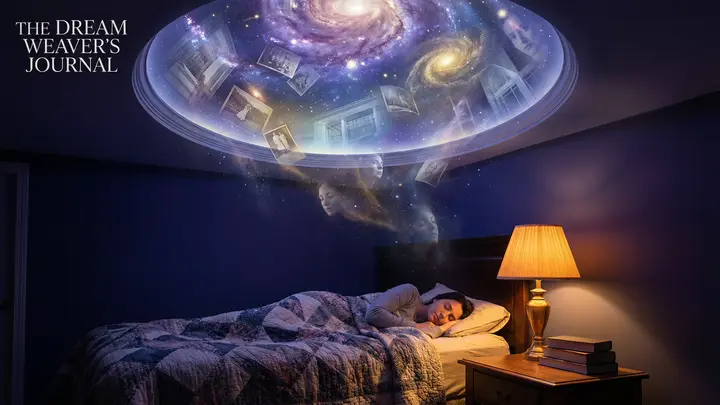
Why Do We Dream?

Every night, as your body lies still, your brain stages an elaborate private cinema — conjuring faces, landscapes, and emotions from nothing. After a century of research, scientists are finally beginning to decode what dreams are actually for, and the answers are stranger and more profound than anyone expected.

Sophia Liang·15 min read
The Gut-Brain Axis
Health & Mind

The Gut-Brain Axis

The trillions of microorganisms living in your digestive system do far more than help you digest food. Emerging research reveals that the gut microbiome communicates directly with the brain, influencing mood, cognition, and the risk of psychiatric disorders.

Priya Nair·15 min read
The Hard Problem of Consciousness
Philosophy & Ideas

The Hard Problem of Consciousness

Why does physical processing in the brain give rise to subjective experience? This question — the "hard problem" of consciousness — remains one of the deepest unsolved problems in science and philosophy, with implications for our understanding of mind, identity, and the nature of reality.

Thomas Adeyemi·14 min read
View all Philosophy & Ideas articles →
NEWSLETTER

Insights delivered to your inbox

Join over 200,000 readers who receive our weekly digest of the most important ideas across science, technology, society, and culture.

kupn.org

Insights That Matter — Exploring the depth of human knowledge across science, technology, society, and culture.

TwitterLinkedInRSS
SECTIONS
Science & Nature
Technology
Society & Culture
Health & Mind
Philosophy & Ideas
Economy & Business
Arts & Humanities
ABOUT
About Us
Our Mission
Editorial Standards
Contributors
Contact
Privacy Policy
Terms of Use

© 2026 kupn.org. All rights reserved.

Committed to in-depth, accurate journalism that serves the public interest.